Body & Wellness · Article
Red light therapy: what it is and what to expect
A clear introduction to red light therapy — how it works, how sessions feel, and why consistency matters.
At a glance
- Uses specific wavelengths of visible red and near-infrared light.
- Sessions are non-invasive, warm and relaxing, with no UV exposure.
- Benefits are associated with regular, consistent sessions.
What is red light therapy?
Red light therapy — also called low-level light therapy or photobiomodulation — exposes the skin to specific wavelengths of red and near-infrared light. Unlike sunlight or solariums, it does not use ultraviolet light, so it does not tan or burn the skin.
How it is thought to work
The light is absorbed by cells in the skin and is thought to support cellular energy production. Research is ongoing, and red light therapy is most commonly used to support skin health, recovery and general wellbeing as part of a broader routine.
What a session feels like
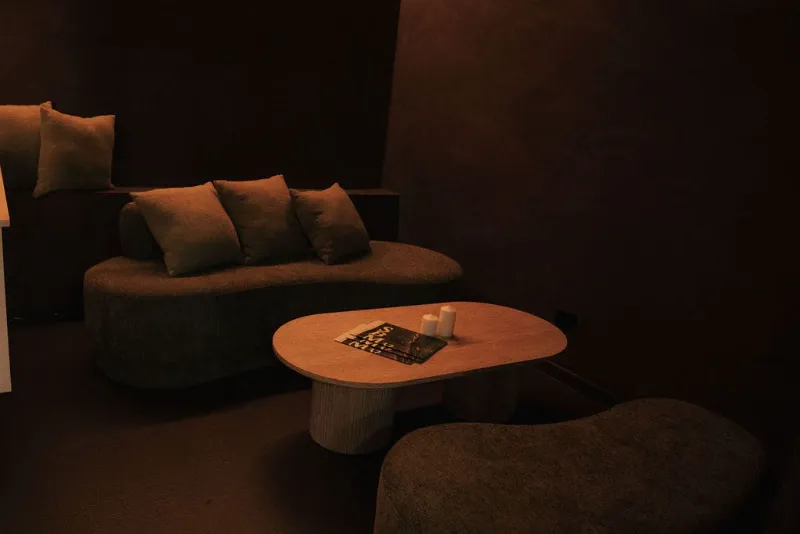
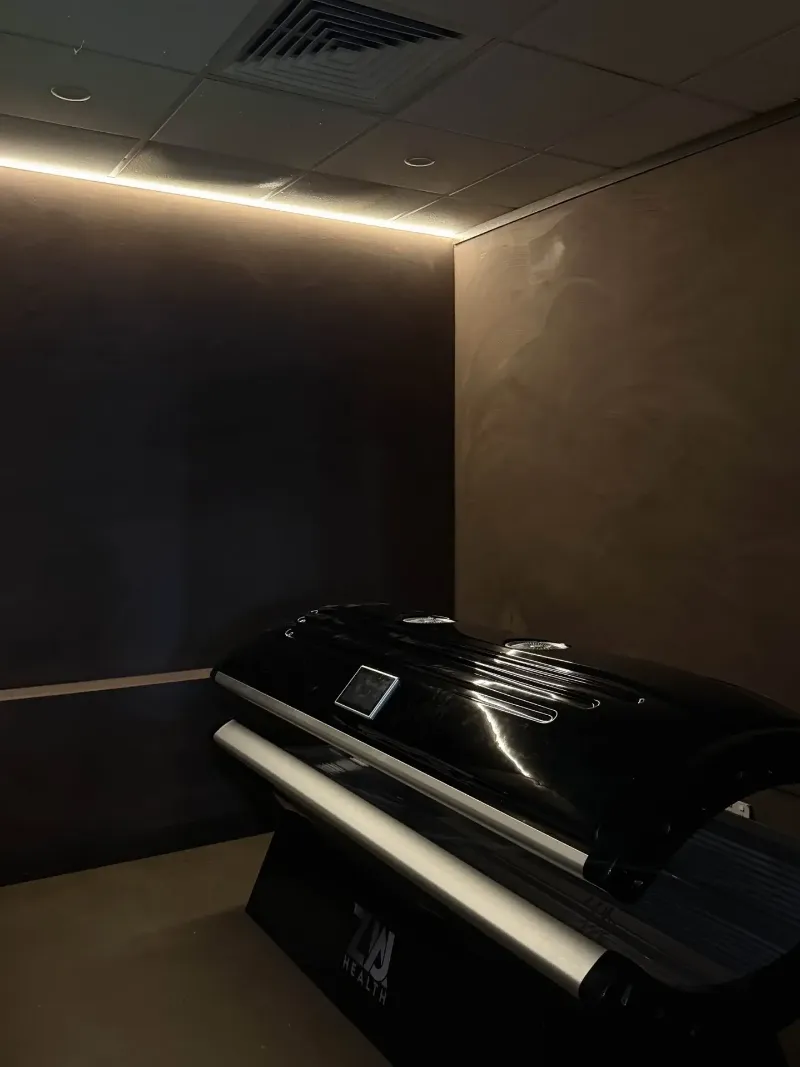
Calm and comfortable. You relax in a private room bathed in warm red light, and many people use the time simply to rest. Eye protection is available, and there is nothing to prepare.
Consistency matters
The benefits associated with red light therapy build with regular sessions over time. That is why Fuse Membership includes two 30-minute red light therapy sessions each week.
Who it suits
Red light therapy is generally well tolerated, but it is not suitable for everyone. Let us know if you are pregnant, have a light-sensitive condition or take medication that increases light sensitivity — and speak with your doctor if you are unsure.
This article is general information only and is not a substitute for personalised advice from a qualified practitioner or your doctor.
Ready when you are
Explore Fuse Membership